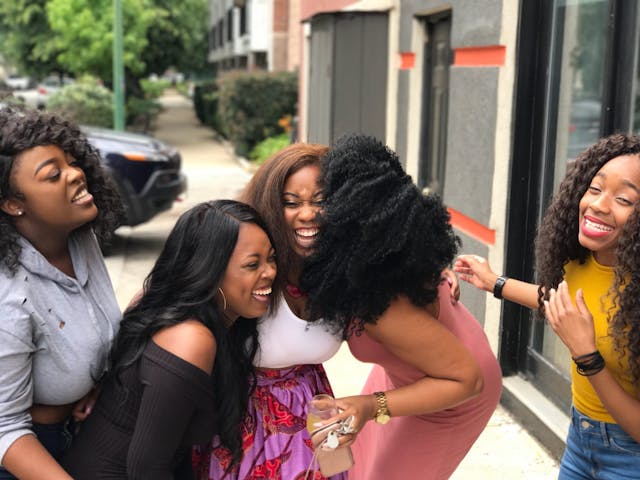
Welcome back to Ade’s Corner. I hope you’ve been enjoying the journey so far. In this segment, we’re exploring one of the most important yet often overlooked aspects of adulthood: friendship. Specifically, how to manage adult relationships, balance old and new friendships, and intentionally build a healthy, supportive tribe.
Navigating Adult Friendship Together
As we grow older, life becomes fuller—and more complex. Careers, family, personal growth, and responsibilities all compete for our time and energy. Yet, one truth remains constant: life is richer and more meaningful when we have good friends walking alongside us.
Some people arrive and make such a beautiful impact on your life, you can barely remember what life was like without them.
Anna Taylor
So, let’s imagine we’re sitting together over a cup of coffee, having an honest conversation about adult friendships—because life truly is better when shared.

The Essence of Adult Friendship
Think of the friend you can call at 2 a.m. when life feels overwhelming, or the one who can make you laugh even on your hardest days. Adult friendships are a safe space—a warm embrace in a cold season. They provide companionship, emotional support, and shared experiences that help us navigate adulthood with greater ease and joy.
Types, Stages, and Varieties of Friendship
Our lives are shaped by different kinds of friendships. There’s the childhood friend who feels like family, the college buddy you once spent hours talking with, and the newer connections formed through work, faith, or shared interests. Each friendship plays a unique role, adding its own richness to our story.
Friendships also evolve through stages. They often begin with polite conversations, grow through shared moments, and deepen into trusted alliances. Over time, they are tested, refined, and strengthened—built on trust, understanding, and the ability to weather life’s highs and lows together.

The Beauty of Mature Friendships
One of the greatest joys of adult friendship is the depth it brings. Within my own circle, there are certain qualities I’ve come to deeply appreciate:
-
We don’t need constant communication to feel connected. Sometimes, a shared meme says it all.
-
There is accountability without judgment, allowing room for growth and honesty.
-
Silence is comfortable, not awkward—we understand the value of stillness.
-
Differences of opinion are respected, and diverse perspectives are welcomed.
These are the markers of emotionally healthy friendships—relationships grounded in mutual respect and understanding.

Setting Boundaries and Managing Expectations
Healthy friendships require boundaries. We’ve all encountered moments where lines are crossed—often unintentionally. Boundaries act as guardrails, helping relationships remain balanced and sustainable. Whether it’s saying no, protecting your time, or having an honest conversation, boundaries are essential.
Equally important is managing expectations. Assumptions can strain even the strongest friendships. Clear, open communication allows friends to understand each other’s needs, limitations, and capacities. When expectations are expressed—not assumed—friendships thrive.
In Closing
Adult friendships are a gift. They bring comfort, laughter, perspective, and strength to our lives. As we continue navigating adulthood, may we cherish these connections—showing up with grace, honesty, and intention.
So, here’s to the friends who make life lighter, richer, and sweeter. May we nurture these bonds and grow together through every season.
Join me next time on Ade’s Corner as we continue exploring life’s joys and challenges—one meaningful conversation at a time.