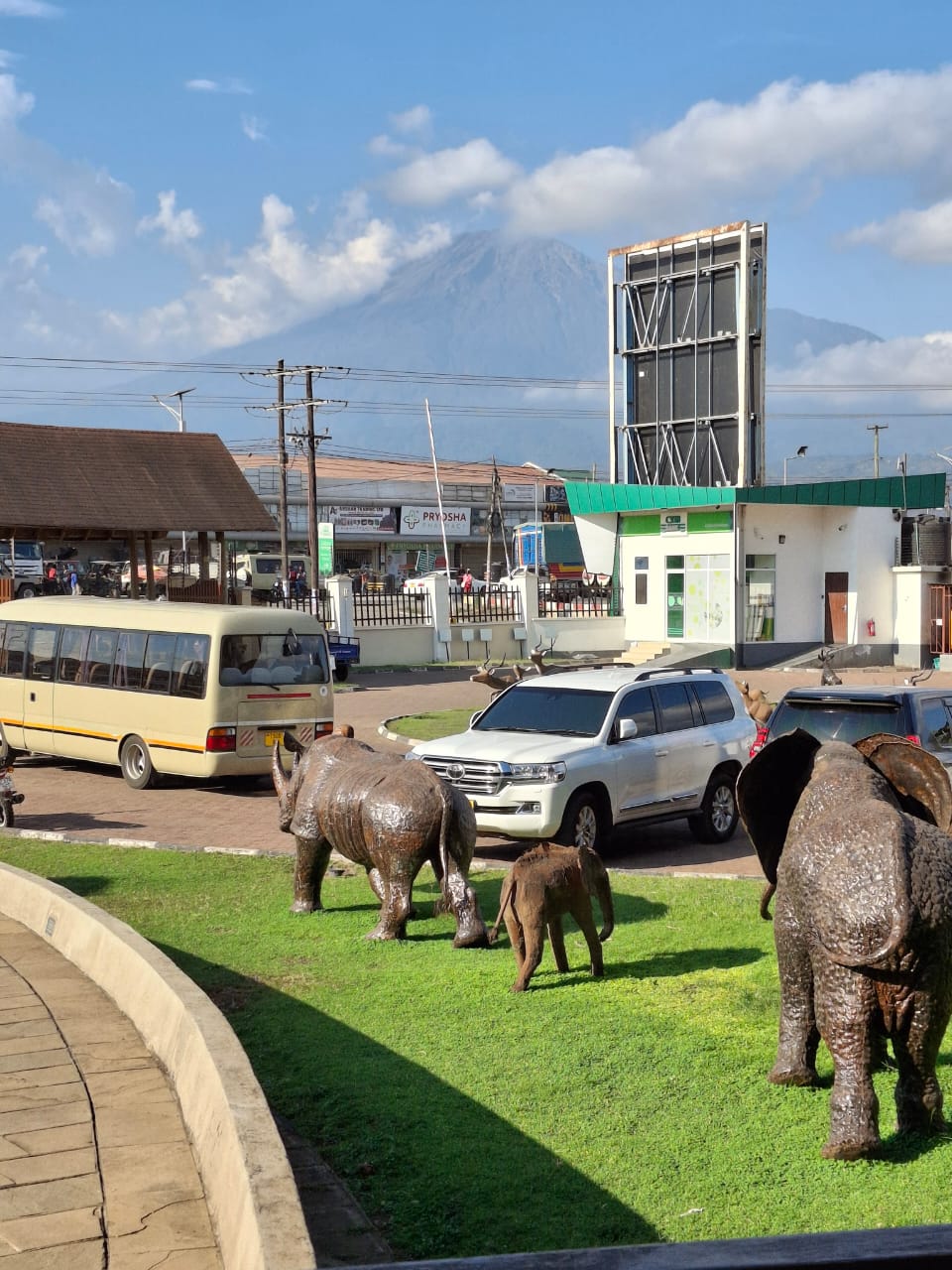
After a long and gruelling road journey from Nairobi to Malawi through Tanzania, my husband and I decided to take a short, well-deserved break in Arusha. On that particular day, Mount Meru was in full display, visible from its base all the way to its peak. Surrounded by rolling hills and towering mountains, the city offered a breathtaking landscape that instantly calmed our travel-weary spirits.
The art of art, the glory of expression and the sunshine of the light of letters, is simplicity.
Walt Whitman
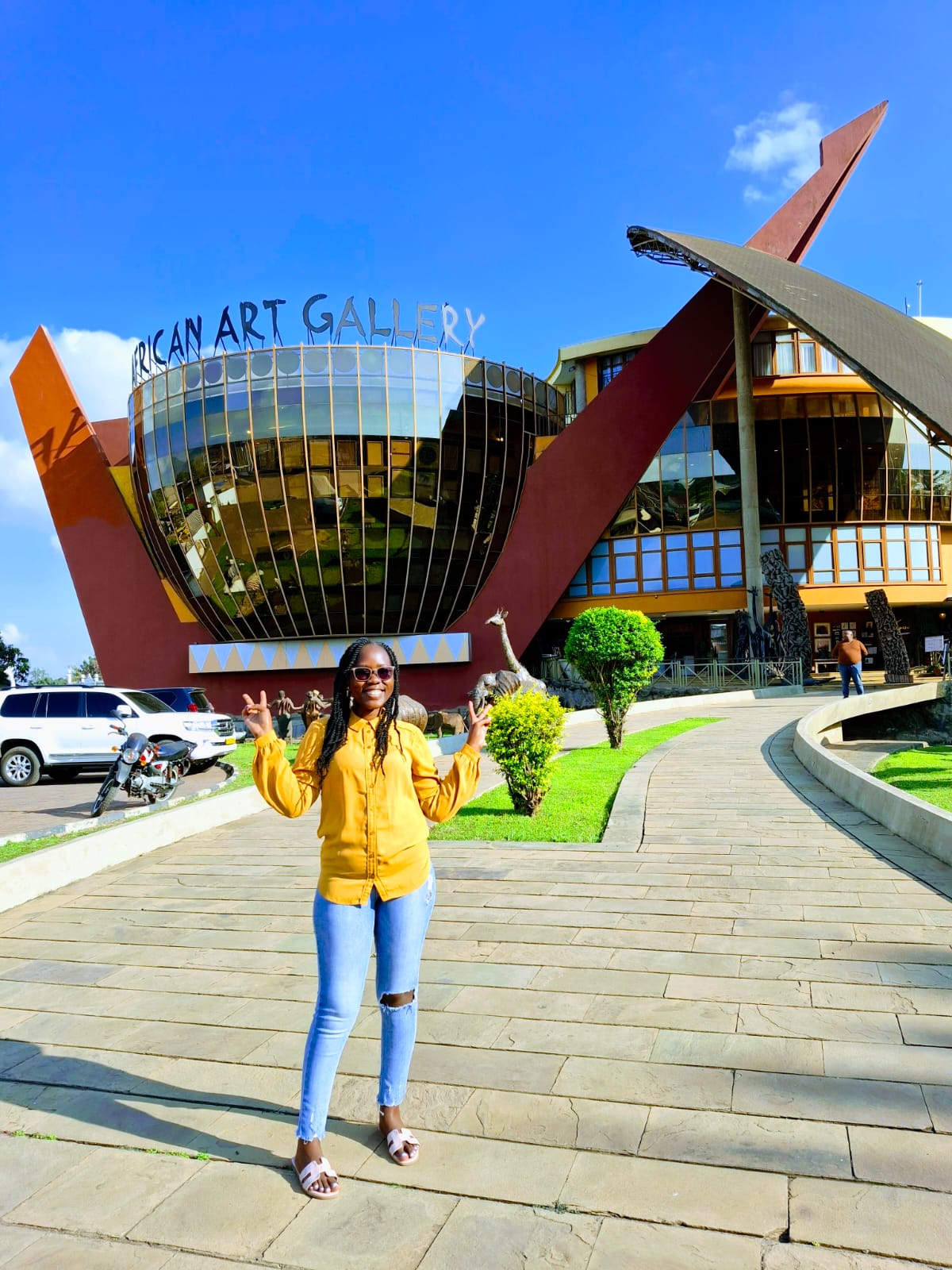
As an art lover, a visit to the African Art Gallery in Arusha was non-negotiable. Our experience began at the souvenir shop, where we picked up two charming fridge magnets inscribed with “Hakuna Matata Tanzania”—a phrase that perfectly translates to “There are no worries in Tanzania.” Indeed, those words beautifully capture the country’s rich cultural tapestry and relaxed spirit. The shop was filled with handmade treasures including toy cars, tote bags, key holders, necklaces, anklets, belts, and bracelets, crafted from traditional materials such as beads, sisal, wood, and leather. One item that truly stood out was Tanzanite—a rare blue gemstone found only in a small village in Tanzania and often used as an alternative to sapphires. The shop attendants were warm and helpful, assisting us with our selections and ensuring a smooth checkout process. Payments were flexible, with multiple currencies accepted, making the entire shopping experience seamless and enjoyable. From the souvenir shop, we made our way to the main building, which houses the art gallery, a café, and a cafeteria.
The architecture alone was enough to leave me in awe. I enjoy understanding the stories and inspirations behind design, so I was thrilled to learn that the gallery’s exterior draws inspiration from three symbolic African objects: the drum, the shield, and the spear. The spear represents strength, survival, masculinity, pride, and prestige; the shield symbolizes protection, bravery, and identity; while the drum signifies maternity, community, communication, and celebration. Together, these elements embody and celebrate Africa’s cultural heritage in a powerful visual form. Inside the gallery, we were met with an impressive collection of artworks from across the African continent.
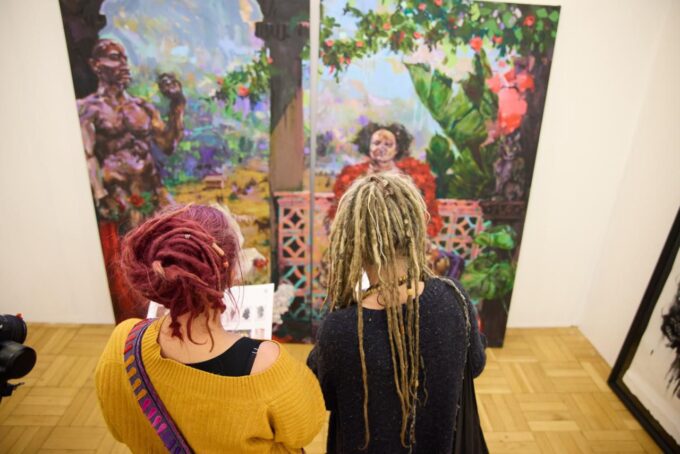
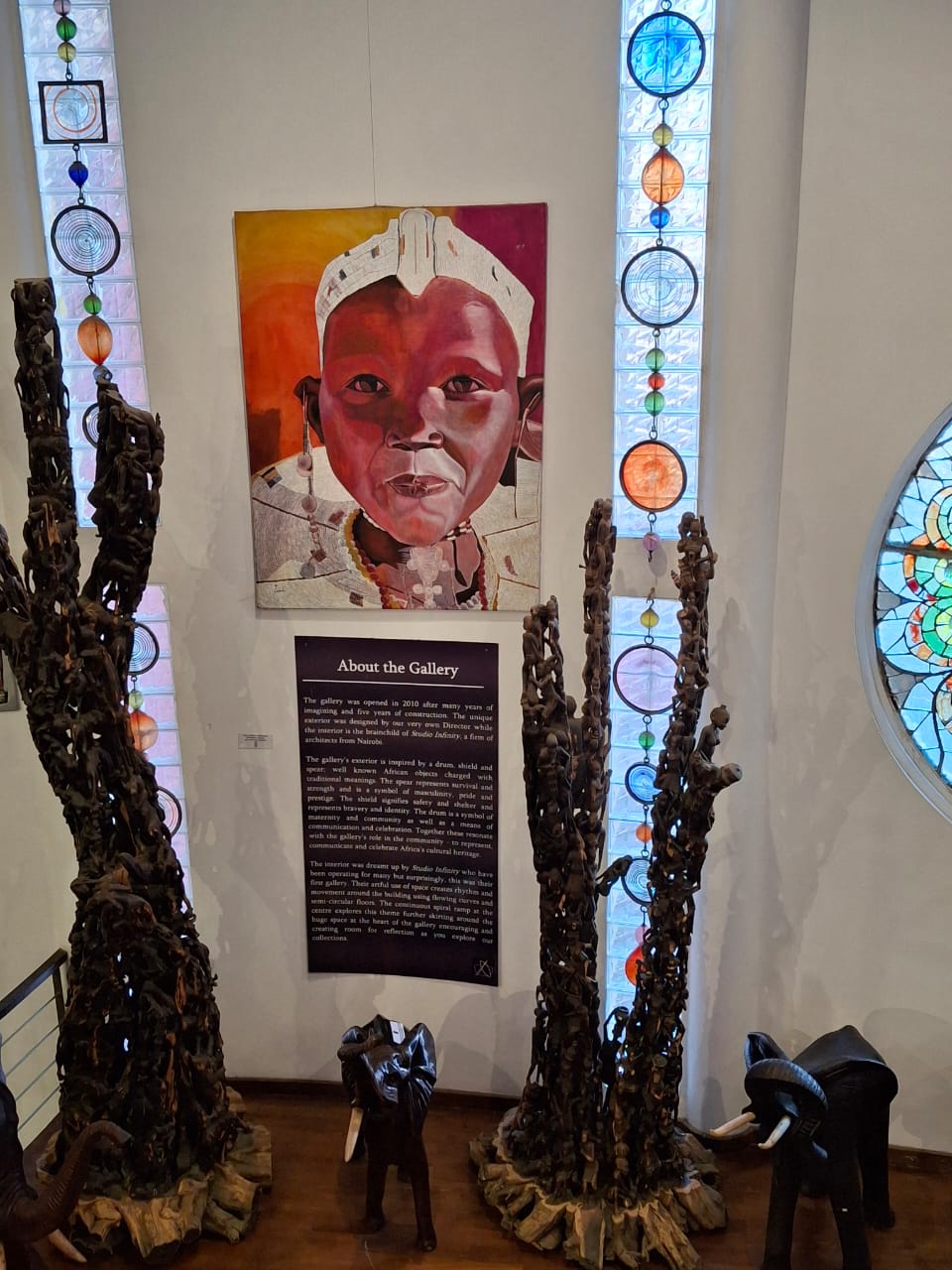 Visitors can opt for a guided tour, but we chose to explore at our own pace. Each artwork was accompanied by background information and pricing for those interested in purchasing. Many of the pieces were reasonably priced—tempting enough to make one consider leaving with more than a few! One artwork that deeply moved me was a vibrant painting depicting daily life in a Maasai village.
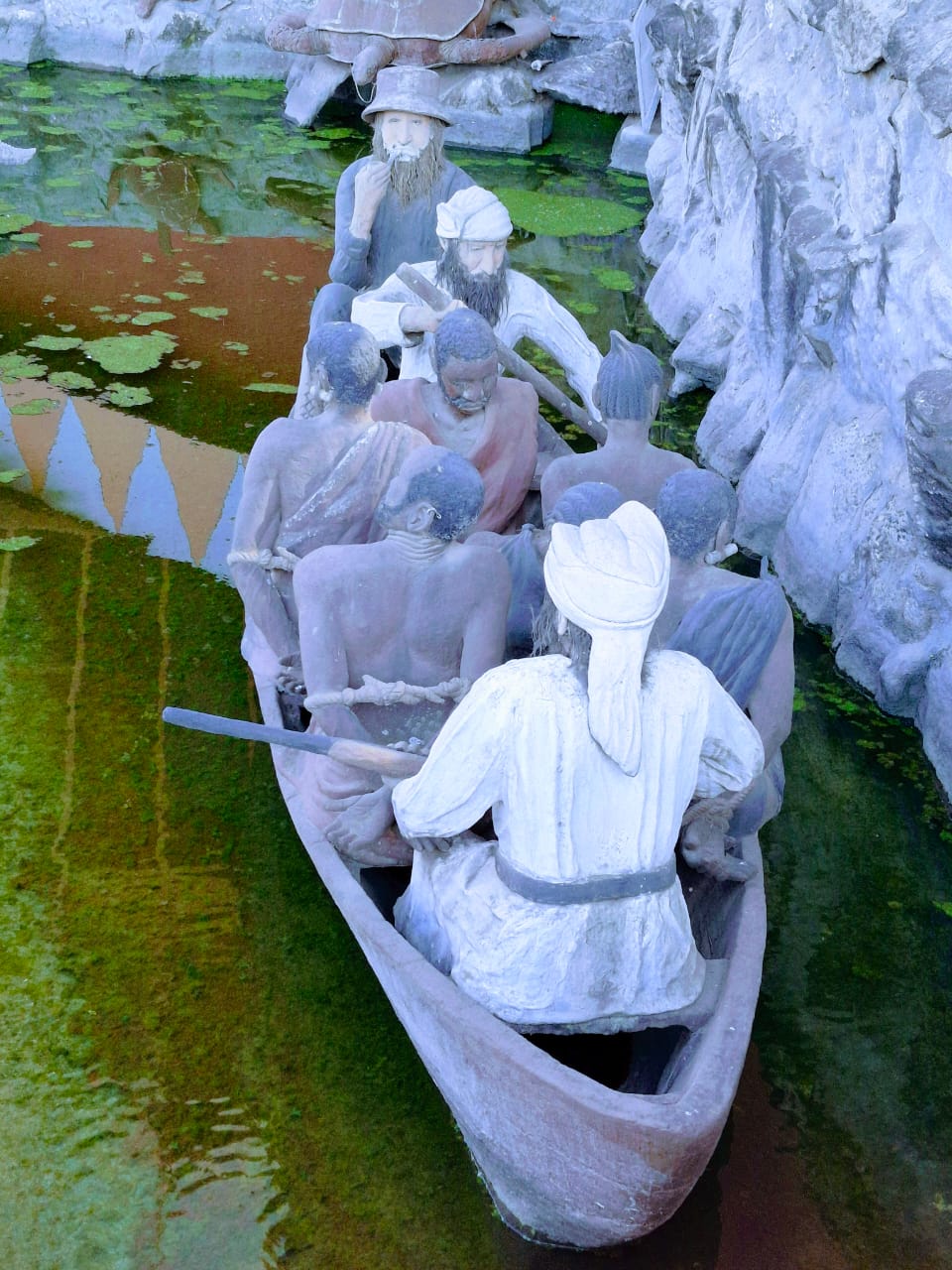 Its vivid colours seemed to pulse with life, and the artist’s expressive brushstrokes conveyed both the joy and struggle of everyday existence in a way that felt intimate yet universal. As we continued our walk, the inviting aroma of freshly brewed coffee drew us into the café. We took a short break, enjoying sweet, locally brewed coffee while discussing our favourite pieces from the gallery. Our visit to the African Art Gallery was more than an art excursion—it was a cultural journey that highlighted the resilience and unbreakable spirit of African people.
It reminded us that art is a powerful form of communication, capable of connecting and uniting people across backgrounds. As we left the gallery, I felt a renewed appreciation for the beauty and richness of African culture and a strong desire to share this experience with as many people as possible.